
We use the same term—“Secure Attachment“—to describe a toddler’s survival-based bond with their caregiver and the chosen bond between two adults building a life together. But should we?
In my clinical practice, I’ve observed a profound shift in how couples define “security.” My clients are no longer satisfied with a relationship that is just safe and stable. They are looking for a bond where they don’t have to leave parts of themselves at the door. They are moving from a model of relational survival to one of relational self-actualization.
They want an “Authentic Attachment.”
The Childhood Trade-Off: Attachment vs. Authenticity
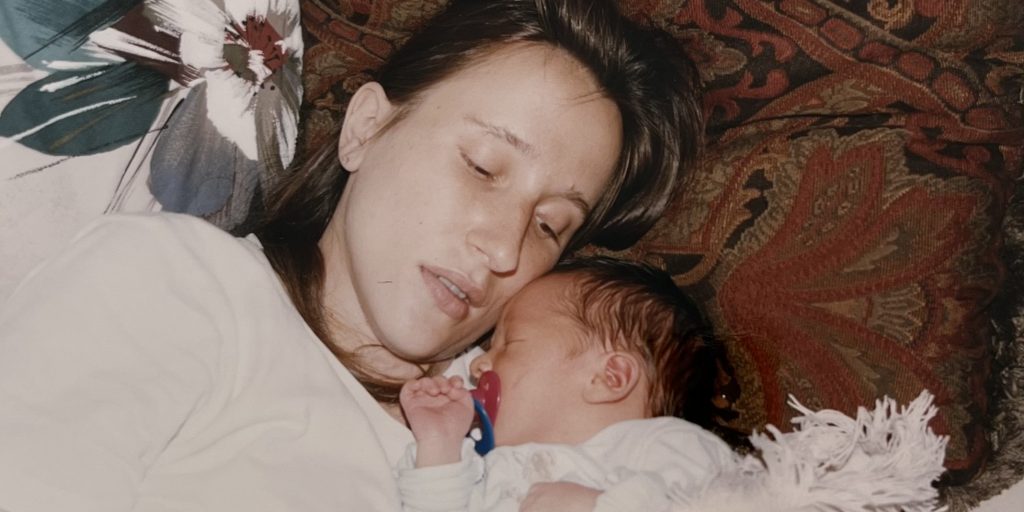
As physician and author Gabor Maté explores in his work on developmental trauma, attachment is non-negotiable for a child. Because a child cannot survive alone, their brain is hardwired to prioritize connection with their caregiver above all else, including their own authenticity.
If a child learns that expressing anger or sadness leads to a parent pulling away, giving the silent treatment, or exploding, the child will gladly suffocate their own voice just to keep the caregiver emotionally close. This is a brilliant adaptive strategy for a five-year-old, but it can create a maladaptive blueprint for adulthood. We learn that to be loved, we must adapt; to be safe, we must hide our “unacceptable” traits.
The Adult Shift: Why Adult Love is Different
…


 Example
 Your turn




 …
…